 FlexElement
Educational Compendium on Natural Nutrients and Botanical Extracts
A comprehensive academic resource exploring the chemistry and biology of natural compounds in relation to musculoskeletal flexibility
Introduction to Structural Integrity of the Body
The human musculoskeletal system represents a complex framework of interconnected tissues, each contributing to overall mobility and structural stability. Understanding the fundamental components of this system requires examination of both macroscopic anatomy and microscopic biochemistry.
This educational resource provides a scientific overview of how various natural compounds, historically studied in European phytology, relate to the composition of connective tissues. The content herein is designed for informational purposes, offering context about botanical chemistry without prescriptive applications.
Educational Content Notice
Educational content only. No medical services. No promises of outcomes.
The information presented on this platform serves purely educational purposes. This resource does not provide medical advice, diagnostic assessments, or therapeutic recommendations. All content describes general scientific principles and historical botanical research, not individual health guidance.
Botanical Compounds: A Chemical Overview
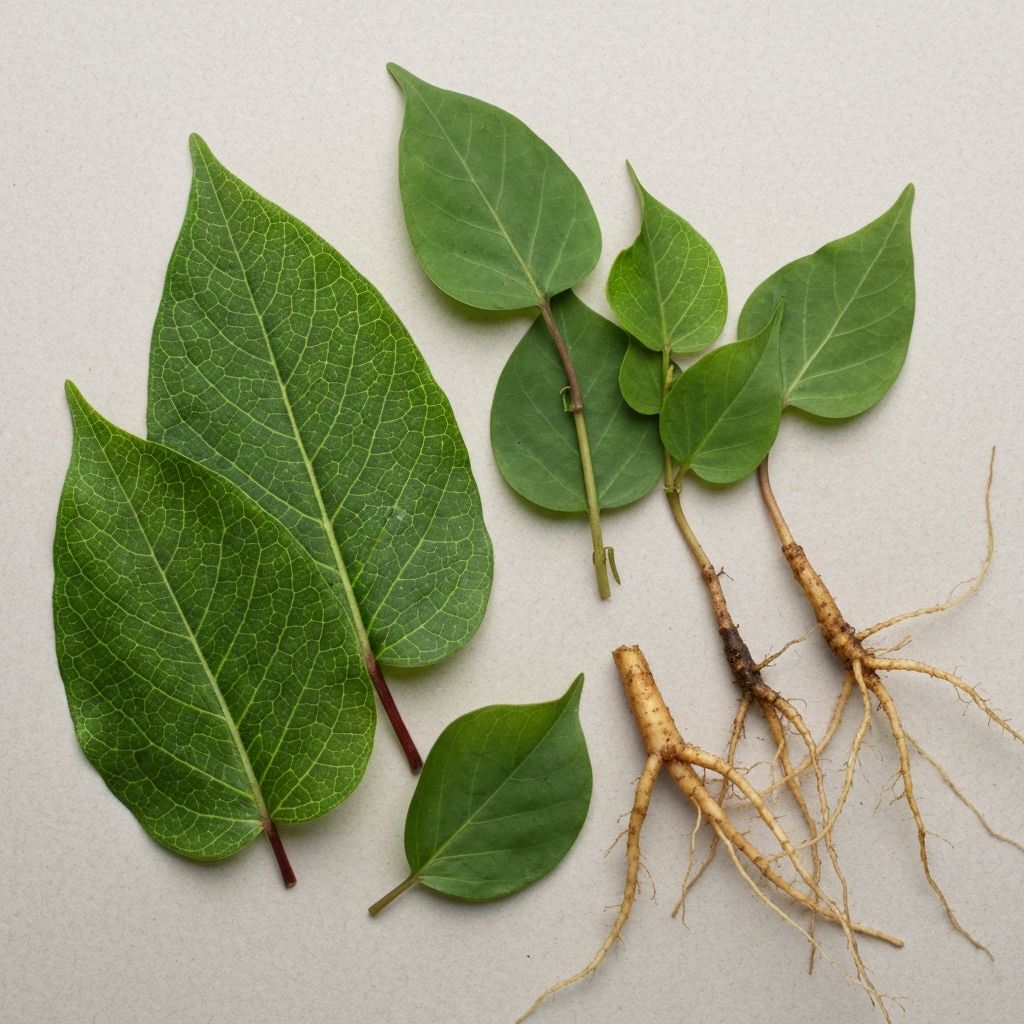
Plant-derived compounds have been subjects of scientific inquiry for centuries. Modern analytical chemistry allows us to identify and categorize the molecular structures present in various botanical species.
Primary Categories of Phytochemical Compounds
Flavonoids: These polyphenolic structures are characterized by their diphenylpropane backbone. Found abundantly in fruits, vegetables, and herbs, flavonoids exhibit diverse molecular variations including flavones, flavonols, and anthocyanidins.
Terpenoids: Derived from isoprene units, terpenoids constitute the largest class of natural products. Their structural complexity ranges from simple monoterpenes to elaborate triterpene configurations.
Alkaloids: Nitrogen-containing compounds with heterocyclic structures, alkaloids represent a pharmacologically significant group of plant metabolites studied extensively in biochemical research.
Phenolic acids: Simple aromatic compounds featuring carboxylic acid functionality, these molecules participate in various biochemical pathways within plant tissues.
Role of Nutrients in Tissue Elasticity

Connective tissue architecture depends on complex biochemical processes involving numerous micronutrients and structural proteins. Understanding these relationships requires knowledge of molecular biology and nutritional biochemistry.
Structural Proteins and Their Precursors
Collagen synthesis: This process involves hydroxylation reactions requiring ascorbic acid as a cofactor. The conversion of proline and lysine residues to hydroxyproline and hydroxylysine is essential for collagen triple helix stability.
Glycosaminoglycans: These complex polysaccharides, including chondroitin and hyaluronic acid, contribute to the gel-like properties of extracellular matrix. Their biosynthesis involves multiple enzymatic steps and specific monosaccharide precursors.
Proteoglycans: Composed of core proteins with covalently attached glycosaminoglycan chains, these macromolecules influence tissue hydration and mechanical properties.
Mineral Cofactors
Zinc, copper, and manganese serve as cofactors for enzymes involved in connective tissue metabolism. Zinc participates in matrix metalloproteinase function, while copper is essential for lysyl oxidase activity in collagen crosslinking.
Historical Evolution of Phytology in Europe
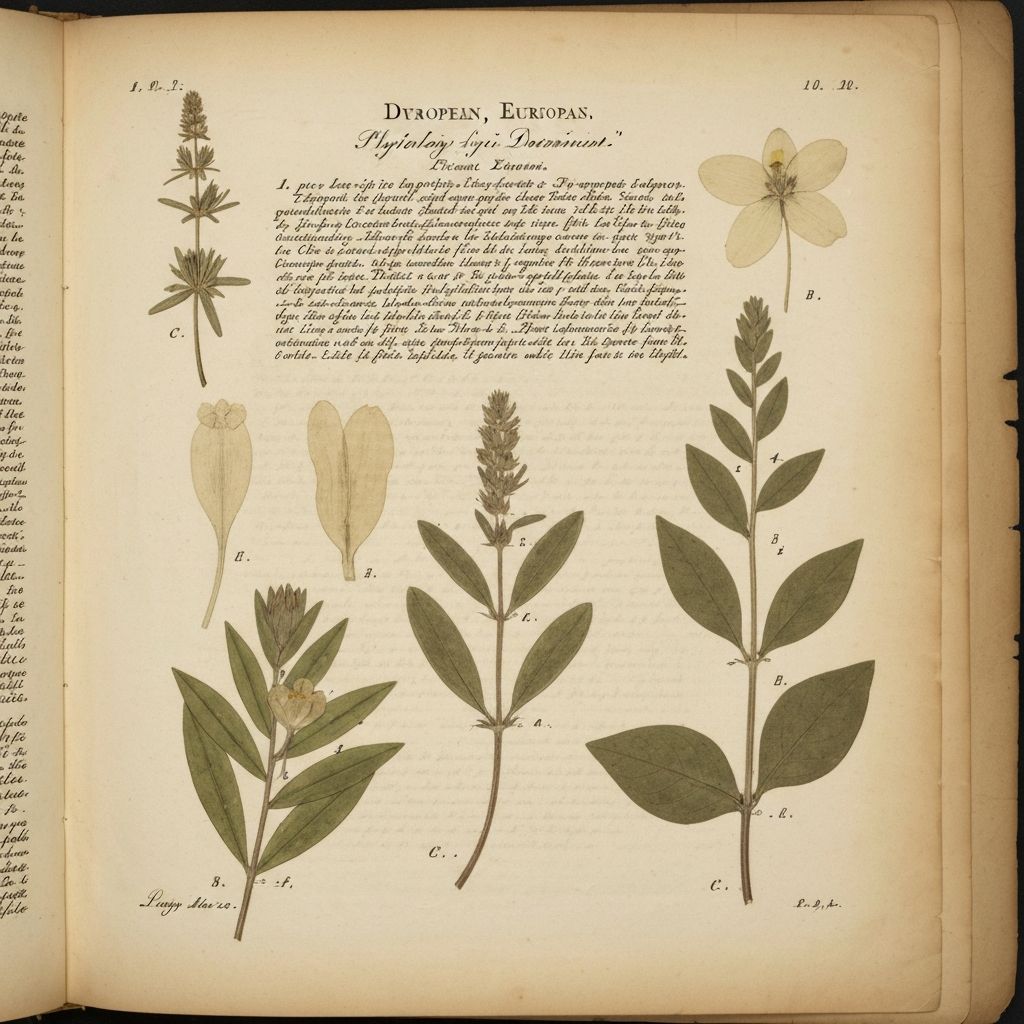
European botanical science emerged from medieval herbalism to become a rigorous discipline grounded in systematic observation and classification. This evolution reflects broader developments in scientific methodology and analytical techniques.
Medieval Foundations
Early European botanical knowledge derived from translated Arabic texts, themselves based on Greek and Roman sources. Monastery gardens served as repositories of plant species and accumulated knowledge about their properties.
Renaissance Classification
The 16th and 17th centuries witnessed systematic efforts to catalog and classify plant species. Herbals became increasingly detailed, incorporating anatomical illustrations and attempts at taxonomic organization.
Modern Analytical Period
The application of chemical analysis to plant materials, beginning in the 19th century, revealed the molecular basis of botanical properties. This analytical approach transformed phytology from descriptive observation to mechanistic understanding.
Science of Cartilage Maintenance

Cartilage tissue exhibits unique properties, functioning without direct blood supply and relying on diffusion for nutrient exchange. Its composition and metabolism present distinct characteristics worthy of scientific examination.
Cartilage Composition
Articular cartilage consists primarily of water (approximately 70-80% by weight), with the remaining solid components comprising collagen (predominantly type II), proteoglycans, and chondrocytes. This specific composition enables the tissue's load-bearing and friction-reducing properties.
Chondrocyte Metabolism
Chondrocytes maintain the extracellular matrix through balanced synthesis and degradation processes. These cells respond to mechanical loading through mechanotransduction pathways, adjusting their metabolic activity accordingly.
Matrix Turnover
The cartilage matrix undergoes continuous remodeling, albeit at a slower rate than other tissues. Proteolytic enzymes, including matrix metalloproteinases and aggrecanases, participate in controlled matrix degradation, while anabolic processes replace degraded components.
Bioavailability of Natural Elements
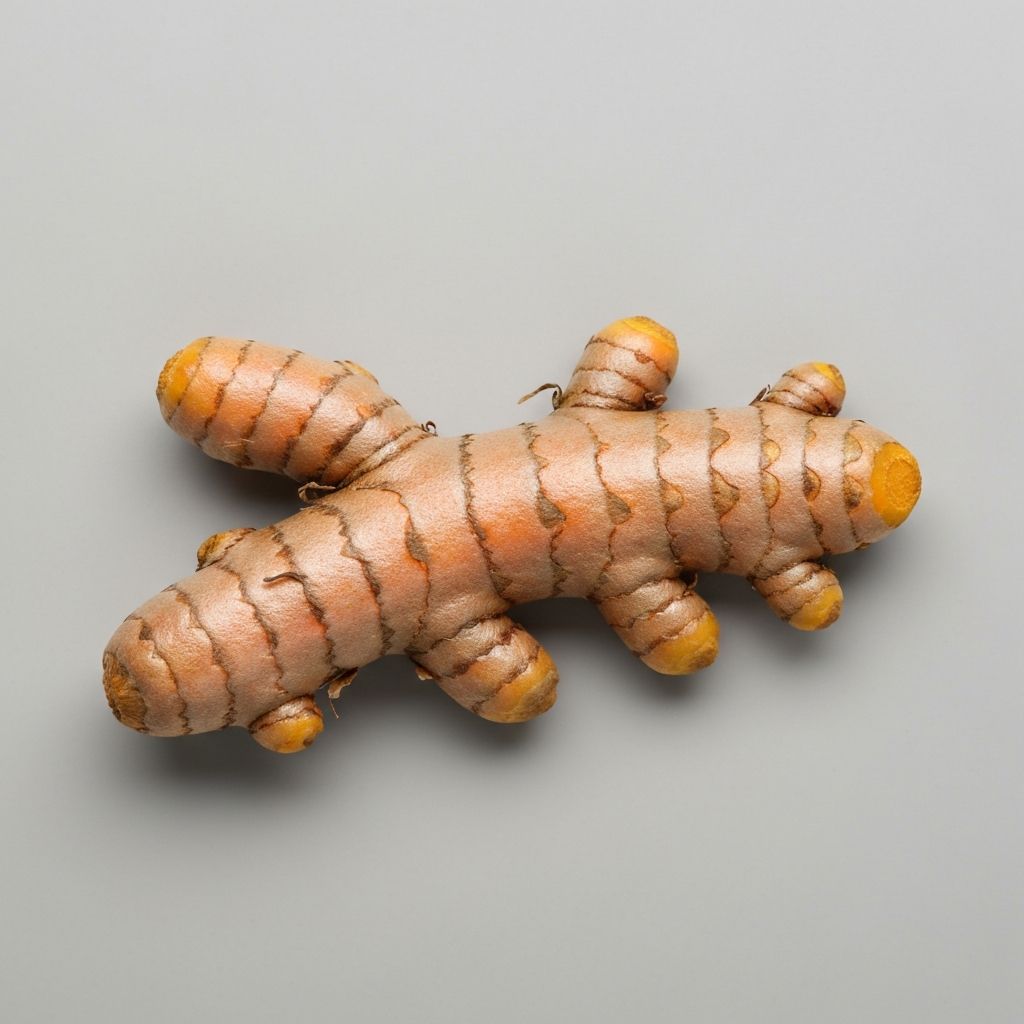
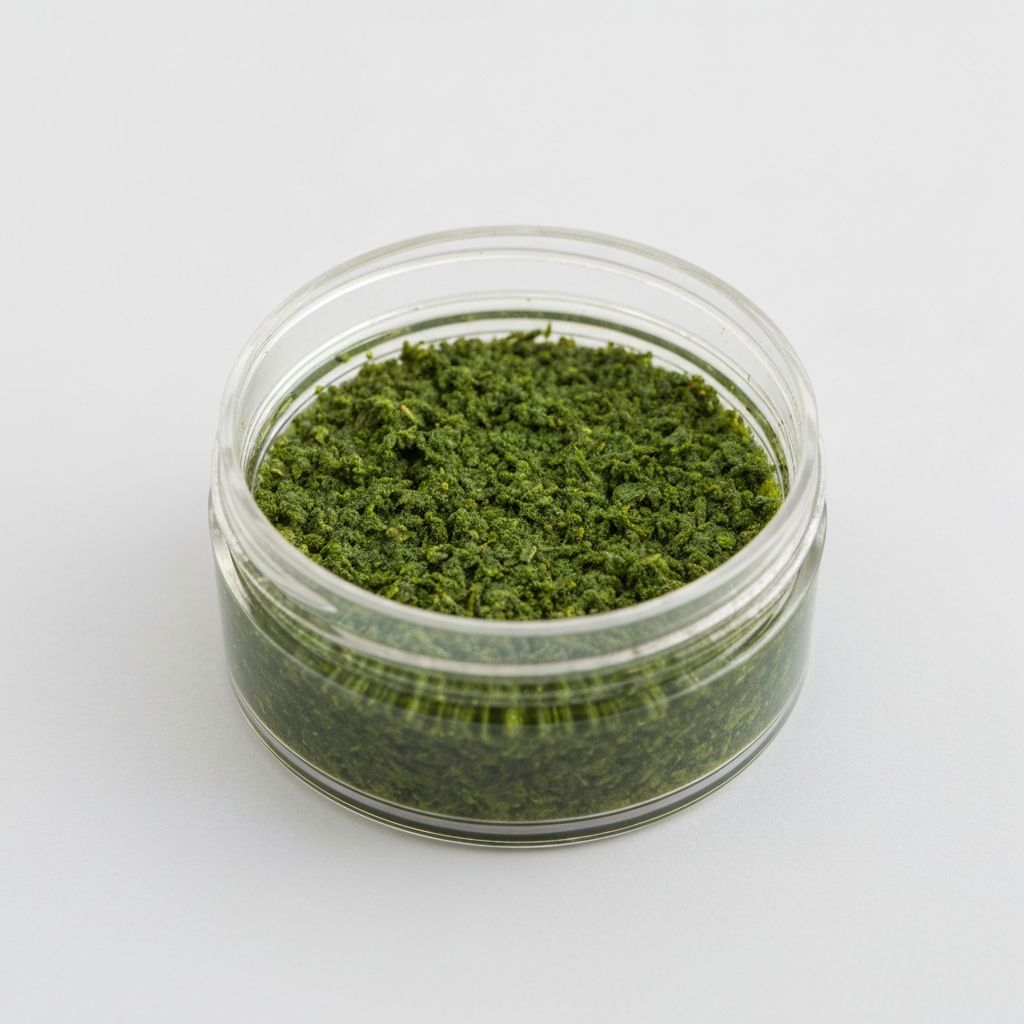
Bioavailability refers to the fraction of an administered substance that reaches systemic circulation unchanged. This pharmacokinetic parameter depends on multiple factors including molecular structure, formulation, and physiological conditions.
Factors Affecting Absorption
Molecular weight and polarity: Small, lipophilic molecules generally exhibit higher membrane permeability than large, hydrophilic compounds. This fundamental principle governs passive diffusion across intestinal epithelium.
First-pass metabolism: Substances absorbed through the gastrointestinal tract pass through hepatic circulation before reaching systemic distribution. Extensive hepatic metabolism can significantly reduce bioavailability.
Food matrix interactions: The presence of dietary components can enhance or inhibit absorption. Lipid-soluble compounds may demonstrate increased absorption when consumed with dietary fats, while certain minerals compete for common absorption mechanisms.
Enhancement Strategies
Various approaches aim to improve bioavailability, including particle size reduction, complexation with carrier molecules, and formulation modifications. Nanoemulsion technology and liposomal encapsulation represent contemporary research directions in this field.
Factors Influencing Movement Comfort

Movement patterns and comfort levels reflect complex interactions among anatomical structure, neuromuscular coordination, and tissue condition. Understanding these relationships requires multidisciplinary perspective.
Biomechanical Considerations
Joint kinematics involve intricate relationships between bone geometry, ligament tension, and muscular forces. Range of motion depends on both structural limitations and neuromuscular control patterns.
Proprioceptive Feedback
Mechanoreceptors within joints, muscles, and tendons provide continuous sensory information about position and movement. This proprioceptive input contributes to motor control and subjective movement experience.
Tissue Hydration
Adequate hydration influences tissue mechanical properties. The glycosaminoglycan content of connective tissues attracts water molecules, affecting tissue volume and viscoelastic behavior.
Physical Activity Patterns
Regular movement influences tissue adaptation through mechanical loading. Tissues respond to applied stresses through remodeling processes, adjusting their structure to accommodate typical loading patterns.
Modern Educational Standards for Bio-compounds

Contemporary education in biochemistry and phytochemistry emphasizes evidence-based understanding and critical evaluation of scientific literature. Academic standards require rigorous methodology and transparent reporting.
Research Methodology
Modern phytochemical research employs sophisticated analytical techniques including high-performance liquid chromatography, mass spectrometry, and nuclear magnetic resonance spectroscopy. These methods enable precise compound identification and quantification.
Study Design Considerations
Well-designed studies incorporate appropriate controls, adequate sample sizes, and validated measurement techniques. Randomization and blinding procedures help minimize bias in experimental research.
Data Interpretation
Statistical analysis provides frameworks for evaluating research findings. Understanding confidence intervals, effect sizes, and statistical significance helps contextualize research conclusions appropriately.
Literature Evaluation
Critical appraisal skills enable assessment of research quality and applicability. Factors to consider include study design, potential conflicts of interest, reproducibility, and consistency with existing knowledge.
Global Research Perspectives
Scientific investigation of natural compounds occurs within international research communities, with contributions from diverse geographical regions and disciplinary perspectives.
European Research Initiatives
European institutions have long traditions in phytochemistry and natural product research. Contemporary European research emphasizes quality standardization, analytical validation, and mechanistic studies of botanical compounds.
Asian Traditional Knowledge
Traditional systems of botanical knowledge from Asian cultures provide hypotheses for scientific investigation. Modern research seeks to understand the chemical basis of historically used plant materials through rigorous analytical methods.
North American Contributions
North American research institutions contribute significantly to understanding bioactive natural products, with particular emphasis on pharmacological mechanisms and clinical investigation methodologies.
Collaborative Networks
International collaboration facilitates knowledge exchange and methodological standardization. Research consortia enable large-scale studies and meta-analyses that inform comprehensive understanding.
Theoretical Summary
This educational resource has explored various aspects of natural compound chemistry, tissue biology, and historical botanical science. The information presented serves to contextualize scientific knowledge rather than direct application.
Key Concepts Reviewed
Chemical diversity: Natural products exhibit remarkable structural variety, reflecting evolutionary adaptation and biosynthetic pathway diversity.
Tissue complexity: Connective tissues involve intricate molecular architectures maintained through dynamic biochemical processes.
Scientific methodology: Modern understanding derives from systematic investigation employing validated analytical techniques and rigorous experimental design.
Historical context: Contemporary knowledge builds upon centuries of botanical observation and increasingly sophisticated analytical capabilities.
Limitations and Context
The information provided throughout this resource represents general scientific knowledge and historical context. Individual circumstances vary significantly, and no content herein constitutes personalized guidance or recommendations.
Scientific understanding continues to evolve through ongoing research. The summaries presented reflect current general knowledge but do not encompass all research findings or perspectives.
Readers seeking information relevant to specific personal situations should consult qualified professionals with expertise appropriate to their particular needs.
Frequently Asked Questions
What is the purpose of this educational resource?
This platform provides academic information about natural compounds, botanical chemistry, and tissue biology. The content serves educational purposes, offering scientific context and historical perspective without prescriptive applications.
Does this resource provide medical advice?
No. This is an informational educational resource only. The content does not constitute medical advice, diagnostic services, or therapeutic recommendations. All information describes general scientific principles, not individual guidance.
What are glycosaminoglycans?
Glycosaminoglycans are long, unbranched polysaccharides composed of repeating disaccharide units. They play structural roles in connective tissues and contribute to the biochemical properties of the extracellular matrix. Examples include hyaluronic acid, chondroitin sulfate, and heparan sulfate.
How does collagen synthesis occur?
Collagen synthesis involves transcription of collagen genes, translation into procollagen chains, post-translational modifications including hydroxylation of proline and lysine residues, triple helix formation, secretion, and extracellular processing into mature collagen fibrils. This complex process requires various cofactors and enzymatic activities.
What factors affect bioavailability?
Bioavailability depends on molecular properties (size, polarity, stability), formulation characteristics, administration route, and physiological factors including digestive processes, hepatic metabolism, and transporter systems. These variables interact to determine what fraction of a substance reaches systemic circulation.
Can I apply this information to personal decisions?
This resource provides general educational content about scientific concepts and historical context. Personal decisions involving health and wellbeing should be made in consultation with qualified professionals who can assess individual circumstances.
Continue Your Learning
This educational compendium offers foundational knowledge about natural compounds and tissue biology. For more detailed information about specific topics, explore our additional educational modules.
Explore Educational ModulesContact Information
FlexElement Educational Resource
Plzeňská 335/5
150 00 Praha 5-Smíchov
Czechia
Phone: +420 257 221 094
Email: [email protected]